
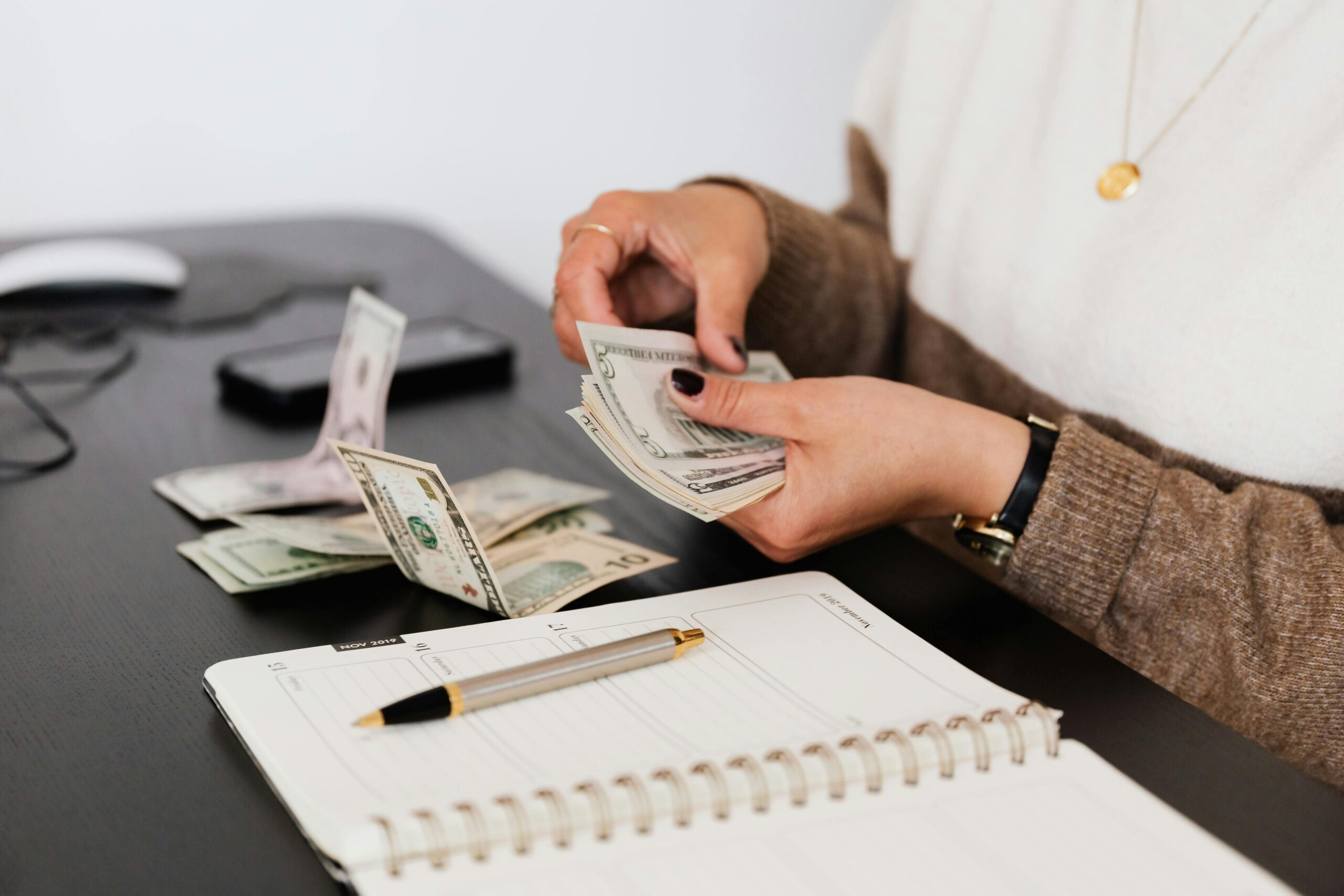
Why does buying a new car or furnishing a home feel like preparing for battle? One wrong move and your finances wave the white flag. Whether it’s moving into a bigger space, upgrading your appliances, or finally replacing that wheezing laptop, large purchases can feel like they demand an advanced degree in economics, perfect timing, and maybe a support group. But these financial hurdles can be scaled—with planning, perspective, and a few adjustments rooted in today’s reality.
Big Purchases, Bigger Pressure
We live in an era where inflation headlines compete with viral TikTok “haul” videos. On one end, we’re encouraged to budget and save; on the other, social media flaunts $700 coffee machines like they’re stocking stuffers. Add in rising housing costs, shrinking savings rates, and the quiet pressure to keep up appearances, and you have the perfect storm of financial anxiety.
Big life purchases are no longer rare milestones—they’re constant decisions. Whether it’s replacing a broken fridge, enrolling in a certification course, or investing in home improvements, people face spending choices that can feel urgent and overwhelming. It doesn’t help that price tags are swelling while incomes play catch-up. But despite the chaos, there are smart, steady ways to make these purchases less intimidating—and more strategic.
Breaking Down the Budget Puzzle
Instead of defaulting to panic, consider a planning-first approach. Start by breaking the cost into parts. When you see a $2,000 mattress as $167 a month over a year, it becomes more digestible. This isn’t about tricking yourself—it’s about shifting perspective so the purchase doesn’t feel like a financial ambush.
Many people now explore flexible options like personal loans to handle larger costs. These can provide predictable payments without draining savings in one go. The key is staying clear on terms and ensuring the repayment fits your monthly reality. Tools like budgeting apps or even simple spreadsheets help you visualize how a new expense folds into your existing obligations. And remember, just because something is marketed as “affordable” doesn’t mean it belongs in your budget.
The Cost of Now vs. Later
There’s often a rush to buy things quickly—especially when flash sales flash, or limited-time deals shout louder than logic. But moving too fast often means missing out on a better opportunity. Consider delaying a purchase by 30 days. In that time, track the item’s price history or look for seasonal discounts. More often than not, you’ll find it at a lower price—and sometimes, you’ll realize you didn’t need it in the first place.
Deferring also helps you plan for hidden costs. A “cheap” treadmill might cost more over time if it constantly needs repairs. Focusing on long-term value rather than initial price keeps your wallet happier in the long run.
Rent, Borrow, Share—Seriously
Not everything needs to be bought. In fact, in the age of renting and sharing, you might be surprised by what’s available. Kitchen appliances, tech gadgets, furniture—even baby gear—can be rented for a fraction of the purchase price. This is especially useful for short-term needs or testing out products before making a final commitment.
Communities also play a role. Local groups often host tool libraries, neighborhood lending shelves, or online exchanges. That drill you’ll use once? Someone within five blocks probably has one collecting dust. This trend not only saves money, it reduces waste and fosters connection—a rare financial win-win.
Mind the Marketing Traps
Retail therapy isn’t just a saying—it’s a strategy. Brands design their websites and stores to play your emotions. Flashing “only 2 left!” messages or urgent countdown timers push you to decide before thinking. Recognizing these tactics helps break their spell. Ask yourself if you’d still want the item tomorrow, without the sale banner. If the answer is yes, it might be worth considering. If not, close the tab.
It also helps to unsubscribe from promotional emails or apps that nudge you into impulsive purchases. Out of sight truly can be out of cart.
Think in Trade-Offs, Not Just Numbers
Every big purchase competes with other life goals. That $3,000 spent on a couch might delay your emergency fund or travel plans. Framing decisions as trade-offs rather than isolated expenses helps sharpen clarity. It’s not about guilt—it’s about awareness.
Think of your finances as a pie. A larger slice for one thing means smaller slices for others. Being conscious of what you’re saying “no” to helps ensure you say “yes” with purpose.
Embrace Secondhand and Refurbished Options
New doesn’t always mean better. Many people avoid used items based on outdated ideas, but today’s secondhand economy is thriving—and trustworthy. Sites for certified refurbished electronics, lightly used furniture, and pre-owned exercise equipment offer serious savings. Often, these items are returned without ever being used. You get the product you want, skip the full price, and reduce your environmental footprint in the process.
Online marketplaces also allow negotiation, adding flexibility to your budget. Just be sure to read reviews, check for return policies, and inspect items when possible.
Build Your “Purchase Patience” Muscle
Patience is the underrated superpower of smart spending. Building a habit of delayed gratification doesn’t mean living with less—it means living on your own terms. Try creating a “want list” rather than a “need list,” and let things sit there for a few weeks. It helps reduce impulse buying and gives you space to evaluate whether the item aligns with your values and priorities.
You can also set spending thresholds for yourself. For instance, any item over $200 requires 48 hours of reflection or discussion with a friend. These kinds of self-imposed rules reduce regret and keep emotions from running the show.
Big purchases don’t have to bulldoze your financial stability. They can be thoughtful, empowering decisions if you approach them with planning, perspective, and a bit of humor. In a culture that constantly urges us to buy more, faster, and bigger, slowing down is its own kind of rebellion. And maybe, just maybe, the smartest purchase is knowing when not to buy at all.